For many travelers, an African safari means endless savannahs, roaring lions, and large elephant herds moving across golden plains. But hidden deep within East Africa’s mist-covered rainforests lives one of the rarest and most fascinating animals on Earth—the mountain gorilla.
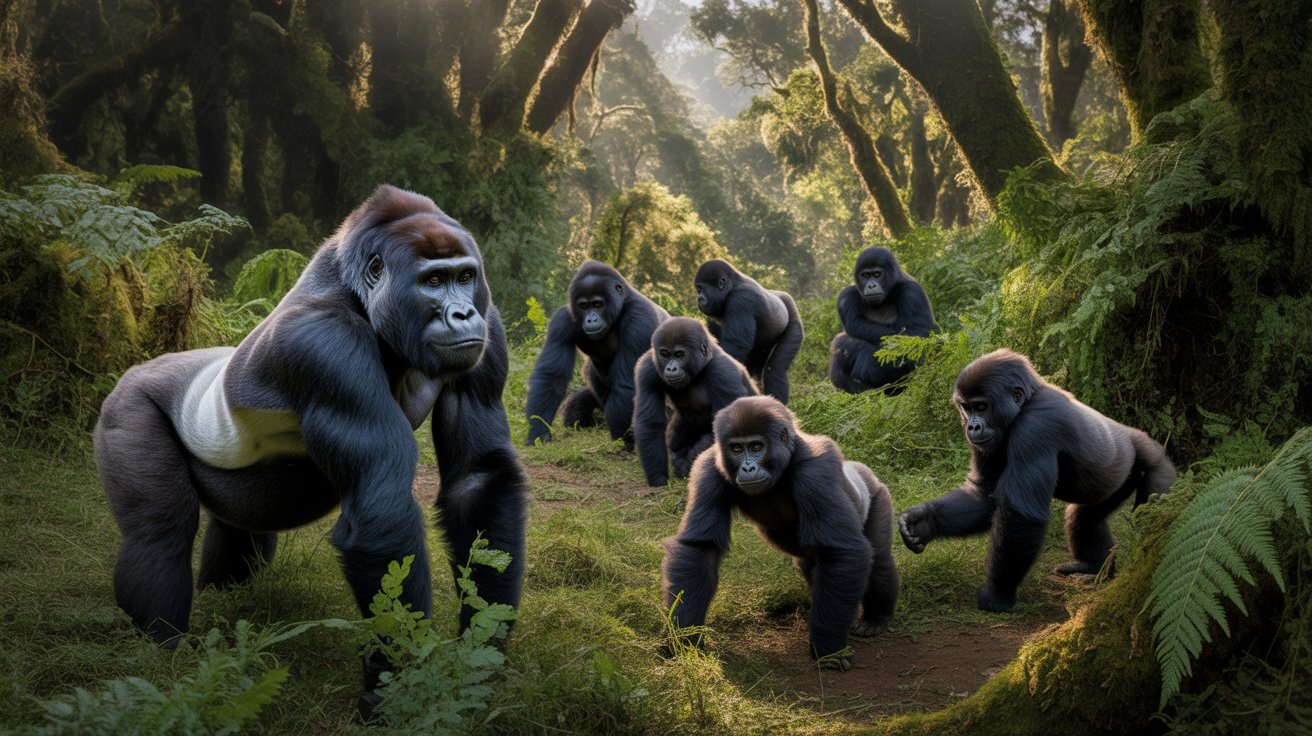
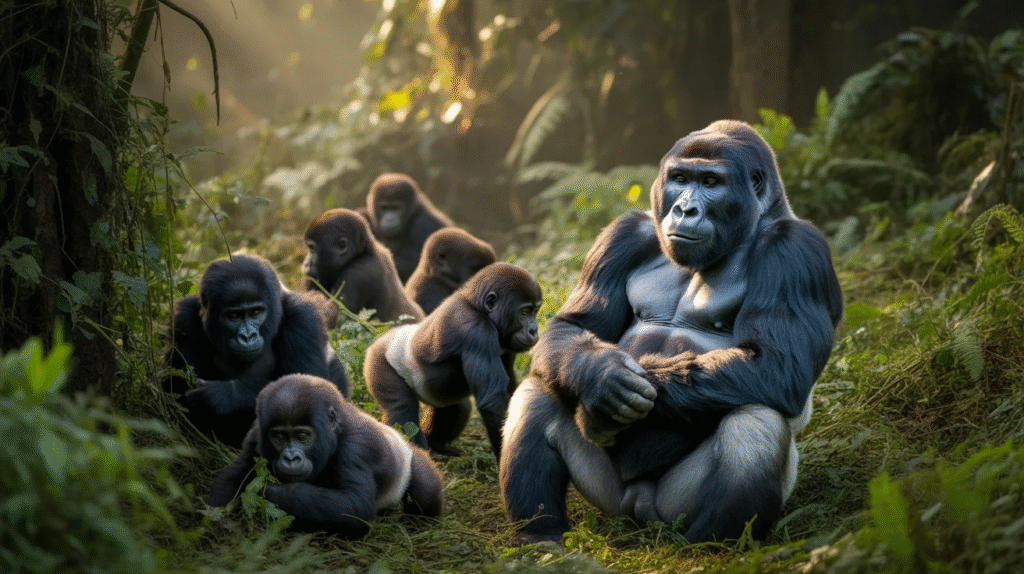
Imagine standing quietly in a dense forest, listening to birds calling above you, when suddenly a massive silverback steps out from behind the trees. He looks directly at you, calm and curious. In that moment, you realize you are sharing space with one of humanity’s closest relatives.
This is the magic of gorilla trekking.
Because gorillas are rare and live in remote locations, many travelers ask:
Can you really see gorillas on an East Africa safari?
The answer is yes—you absolutely can, and with proper planning, it can become the most emotional and unforgettable part of your journey. However, gorilla trekking is very different from traditional safaris. It requires special permits, physical effort, and expert guidance.
This complete guide explains everything you need to know about seeing gorillas in East Africa with East Africa Wild.
1. Understanding Mountain Gorillas and Their Habitat
Mountain gorillas are a critically endangered species. Today, fewer than 1,100 individuals remain in the wild. They live only in a small region spanning Uganda, Rwanda, and the Democratic Republic of Congo.
In East Africa, they are protected inside carefully managed national parks, where tourism supports conservation.
These forests are:
- Thick and humid
- Located at high altitude
- Rich in biodiversity
- Strictly protected
This environment makes gorilla encounters rare, special, and deeply meaningful.
2. Where Can You See Gorillas in East Africa?
There are only two reliable destinations in East Africa for gorilla trekking:
Uganda – The Pearl of Gorilla Trekking
- Bwindi Impenetrable National Park
- Mgahinga Gorilla National Park
- Largest gorilla population
- More affordable permits
Uganda is ideal for travelers who want value and diverse landscapes.
Rwanda – Luxury & Accessibility
- Volcanoes National Park
- Short drive from Kigali
- High-end lodges
- Premium experience
Rwanda is perfect for luxury travelers with limited time.
East Africa Wild offers tailored packages in both countries.
3. What Is Gorilla Trekking Really Like?
Gorilla trekking is not a normal walk—it is an adventure.
A Typical Trekking Day
- Early morning briefing
- Assignment to a gorilla family
- Drive to starting point
- Forest hike
- Locating gorillas
- One magical hour
- Return to lodge
Treks can last from 1 hour to 6 hours depending on where the gorillas are.
4. Safety During Gorilla Trekking
Many people worry about standing near such powerful animals. In reality, gorilla trekking is extremely safe.
Why It’s Safe
- Gorillas are habituated
- Rangers monitor behavior
- Armed escorts present
- Strict visitor rules
You will be trained on:
- Where to stand
- How to behave
- When to stay quiet
- What to do if a gorilla approaches
East Africa Wild ensures full preparation.
5. Physical Fitness and Trekking Difficulty
Gorilla trekking is physically demanding.
Challenges Include
- Steep hills
- Slippery mud
- Thick vegetation
- High humidity
But don’t worry:
- Porters can help
- Treks are adjusted to fitness levels
- Breaks are allowed
Even travelers in their 60s and 70s successfully complete treks every year.
6. Gorilla Permits: The Key to Your Experience
Without a permit, you cannot see gorillas.
Permit Prices
- Uganda: ~$700
- Rwanda: ~$1,500
Permits are limited and sell out months in advance.
East Africa Wild handles all bookings for you.
7. Best Time of Year for Gorilla Trekking
Gorillas can be seen year-round, but seasons matter.
Dry Season (Best)
- June–September
- December–February
- Easier hiking
- Clearer views
Rainy Season
- March–May
- October–November
- Fewer tourists
- Lush scenery
8. What to Pack for Gorilla Trekking
Proper gear makes a huge difference.
Must-Have Items
- Waterproof hiking boots
- Long trousers
- Rain jacket
- Gardening gloves
- Hat
- Insect repellent
- Camera (no flash)
East Africa Wild provides a packing checklist.
9. Combining Gorillas with Classic Safari
Many travelers combine gorilla trekking with savannah safaris.
Popular combinations:
- Uganda gorillas + Serengeti
- Rwanda gorillas + Masai Mara
- Gorillas + Zanzibar beach
This gives you the best of Africa in one trip.
10. Conservation: Why Your Visit Matters
Gorilla tourism saves lives.
Your permit helps:
- Pay rangers
- Fund medical care
- Stop poaching
- Support communities
By traveling responsibly, you protect gorillas for future generations.
11. Emotional Impact of Seeing Gorillas
Most travelers say gorilla trekking is life-changing.
Why?
- Gorillas show emotions
- Family bonds resemble humans
- Eye contact feels personal
- The setting is magical
Many guests leave with tears of joy.
FAQs
Is trekking guaranteed?
Yes, if you have a permit, sightings are over 95% successful.
Can children go?
Minimum age is 15.
Can I get close?
Official distance is 7 meters.
Is photography allowed?
Yes, without flash.
Final Thoughts
Yes—you can see gorillas on an East Africa safari, and it is one of the most powerful wildlife experiences on Earth. It is not easy, not cheap, and not casual—but it is deeply rewarding.
With expert planning, ethical practices, and professional support, East Africa Wild turns gorilla trekking into a safe, meaningful, and unforgettable journey.
If you want more than just a safari—if you want a true connection with nature—then gorilla trekking belongs on your bucket list.